
Walking through the doors of a gym when you don’t have the physique of an advertisement sometimes requires real courage. The fear of being judged, the feeling of not “belonging,” the anxiety of not knowing how to use the machines… all these obstacles discourage people before they’ve even begun. Yet, indoor exercise can be a fantastic source of well-being for all body types, provided you choose the right environment and approach it gently.
Overcoming the barrier of the first step
The hardest part is often the first day. We imagine all eyes on us, when in reality, most people are focused on their own practice. This “fear of judgment” is largely internalized: it stems more from our own anxieties than from genuine hostility. Recognizing it for what it is already helps to put it into perspective.
To get a feel for the place, nothing beats a first visit during off-peak hours. A less crowded club in the mid-morning or early afternoon allows you to calmly explore the spaces, try out some equipment, and get your bearings without the pressure of a crowd. Many gyms offer a free trial session: it’s the perfect opportunity to test the atmosphere before committing.
This makes for a truly welcoming room.
Not all venues are created equal when it comes to hospitality. Some cultivate a culture heavily focused on performance and aesthetics, while others emphasize friendliness and a non-judgmental atmosphere. The staff’s attitude on your first visit speaks volumes: a team that takes the time to explain, doesn’t oversell, and puts you at ease is an excellent sign.
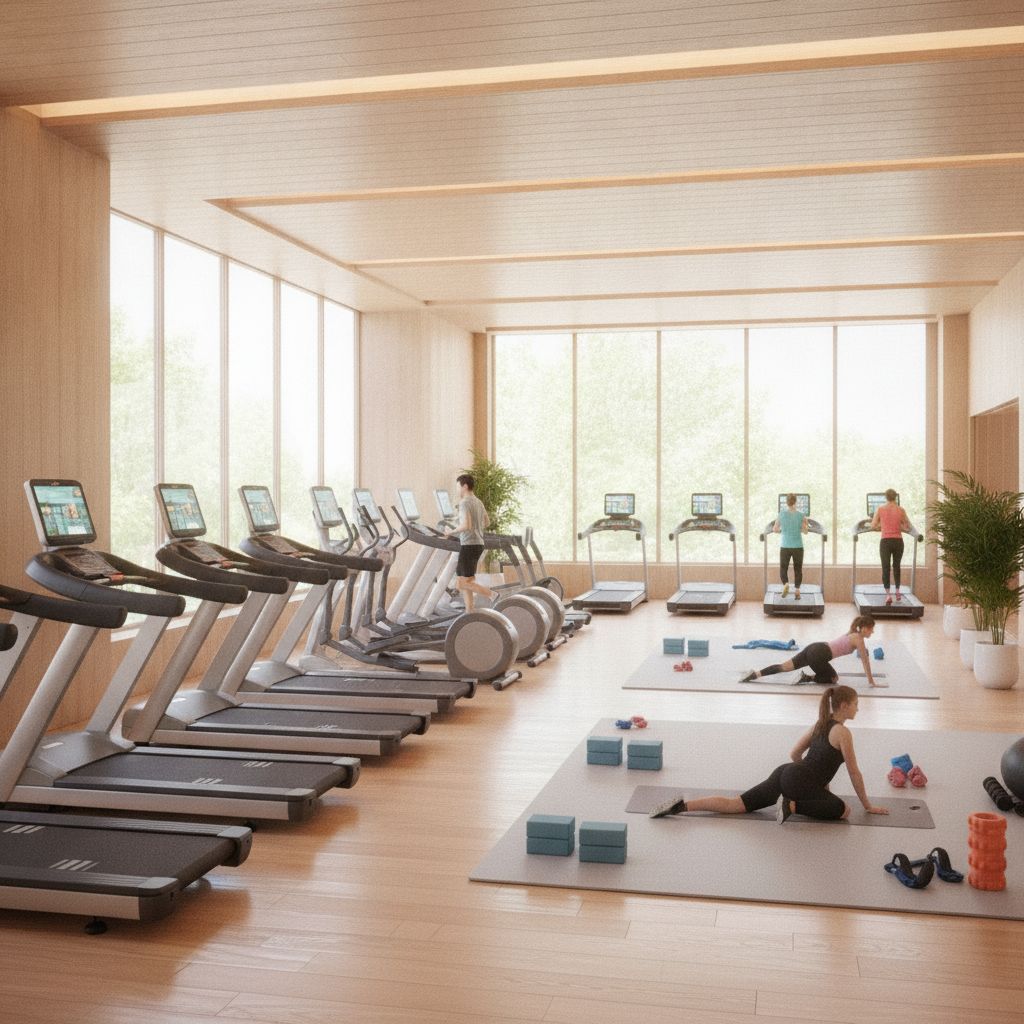
The layout also matters. Well-spaced machines, comfortable changing rooms, a varied cardio area, and a stretching area make the experience more enjoyable for everyone. Testimonials from members are invaluable for getting a feel for the place: a detailed review like the one for Fitness Park Saint-Ouen provides a concrete picture of the atmosphere, the equipment, and the welcome extended to beginners, far beyond the photos in the brochure.
Build a suitable and progressive routine
Getting back into sports doesn’t mean launching into exhausting workouts in the first week. On the contrary, consistency is more important than intensity. Two to three short but regular sessions per week will establish a routine without causing discouragement. The body needs time to adapt, and patience prevents both injury and giving up.
Gentle cardio—cycling, elliptical training, brisk walking on a treadmill—is an excellent starting point. It’s easy on the joints, improves breathing, and quickly provides a feeling of progress. You can then add light strength training at your own pace. The goal isn’t a quick transformation, but the pleasure of movement and lasting improvements in fitness.
Setting personal goals, rather than comparing yourself to others, changes everything. Climbing a flight of stairs without getting out of breath, lasting five minutes longer on the bike, feeling more energetic every day: these small victories fuel motivation much better than a number on the scale.
Get equipped to be comfortable from the very first session
Clothing plays an often underestimated role in the enjoyment of a workout. High-waisted leggings that provide support without constricting, a sports bra that truly fits your bust, and a top that makes you feel covered completely transform your experience. The goal isn’t to look like the models in advertisements, but to be able to move freely without having to readjust your clothing every five minutes or worry about how you look.
Brands now offer truly technical ranges beyond size 44, with breathable fabrics that wick away perspiration and minimize irritation. It’s better to invest in two comfortable, high-quality outfits than five cheap ones that don’t hold up well. Good cushioned shoes complete the gear: they protect the joints, especially the knees and ankles, which are under greater stress during high-impact exercises.
One last practical detail: pack your bag the night before. Towel, water bottle, headphones, locker padlock. The fewer logistical obstacles you have on the day, the easier it is to complete your workout, especially on weeks when motivation is low.
Listening to your body and measuring your progress in a different way
The scale is probably the worst indicator for assessing a return to exercise. Weight often stagnates in the first few weeks, even though the body is changing: you gain muscle, lose inches around your waist, sleep better, and climb stairs without getting out of breath. These are the signs you need to observe and record, because they tell the story of real progress.
Keeping a small workout log helps to objectively track this progress: weights lifted, duration of brisk walking, number of repetitions, sleep quality, energy level. Reviewing your notes after a month provides much more lasting satisfaction than a number on the scale. Some apps do this automatically, but paper has the advantage of not turning each workout into a numbers game.
Listening to your body also means knowing when to slow down. Persistent joint pain, unusual fatigue, or growing apprehension before workouts are signals to take seriously. Temporarily reducing the intensity isn’t a failure; it’s precisely what allows you to stick with it, whereas overly ambitious programs often lead to abandonment within six weeks.
Surround yourself with support and stay motivated over time
Initial motivation quickly fades if you face your goals alone. Surrounding yourself with others helps you stay motivated: a supportive group class, a training partner, or even an attentive coach can transform what feels like a chore into something you look forward to. In a class, the group’s energy is contagious, and you quickly forget your insecurities.
Personalized coaching, when the budget allows, offers reassuring support. A good coach adapts exercises to the individual’s body type and fitness level, corrects posture, and avoids risky movements. They also help set realistic goals, leading to satisfaction rather than frustration.
Finally, celebrating progress keeps the momentum going. Getting back into sports when you’re plus-size is first and foremost about reclaiming your body and well-being, at your own pace and without letting yourself be dictated to by any model. The right club isn’t necessarily the trendiest or the most demanding: it’s the one you want to come back to, session after session, simply because you feel good there.