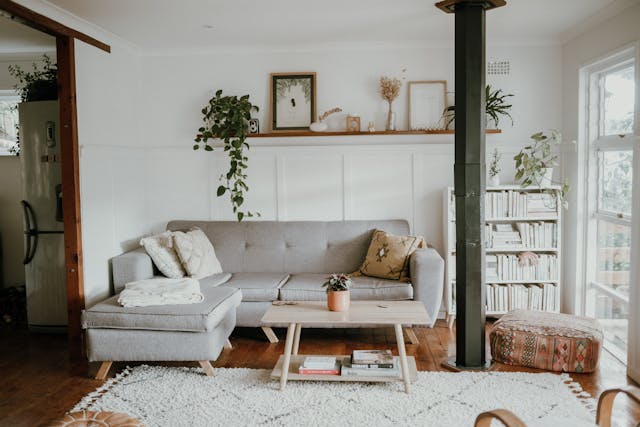

Building a home is one of the most significant emotional and financial investments an individual will make in their lifetime. It is not merely about erecting walls and installing a roof; rather, it is about creating a sanctuary that reflects the unique personality and lifestyle of its inhabitants. In the modern era of real estate development, the definition of a luxury home has evolved. It no longer refers solely to square footage or opulence. Today, true luxury is found in the seamless integration of thoughtful design, functional living spaces, and environmental responsibility. For homeowners and investors alike, navigating the complexities of construction requires a deep understanding of current trends, zoning regulations, and the critical importance of selecting the right development partners.
The Evolution of Modern Architectural Design
The philosophy behind residential architecture has shifted dramatically over the last two decades. We have moved away from the compartmentalized rooms of the past toward open, fluid floor plans that encourage social interaction and connectivity. This shift is particularly evident in coastal and metropolitan areas where space is at a premium, and the connection to the outdoors is highly valued. The concept of indoor-outdoor living has become a staple in modern design, utilizing floor-to-ceiling glass walls, expansive sliding doors, and continuous flooring materials to blur the line between the interior and the exterior landscape.
Achieving this level of openness requires sophisticated engineering and a keen eye for spatial dynamics. Architects and developers must work in tandem to ensure that structural integrity is maintained without sacrificing the aesthetic vision. This often involves the use of steel moment frames or advanced framing techniques that allow for vast open spans without the need for intrusive support columns. Furthermore, the modern homeowner demands a kitchen that serves as the heart of the home. It is no longer just a place for food preparation; it is a central hub for entertainment, homework, and family gatherings. Consequently, we see a rise in double islands, professional-grade appliances, and hidden pantries that keep the main space uncluttered and visually serene.
Navigating the Construction Process
The journey from a conceptual sketch to a physical structure is fraught with logistical challenges. The pre-construction phase is perhaps the most critical component of any successful project. This stage involves site analysis, soil testing, and the often arduous process of securing permits from local municipalities. In regions with strict building codes, such as the Pacific Coast, understanding the nuances of zoning laws is essential to avoid costly delays. Issues such as setback requirements, height restrictions, and environmental impact assessments must be addressed long before the first shovel hits the ground.
Once construction begins, the focus shifts to project management and quality control. A timeline is a living document that must adapt to weather conditions, material availability, and labor scheduling. The recent volatility in global supply chains has underscored the need for experienced developers who have established relationships with suppliers and subcontractors. These professionals can navigate shortages and price fluctuations to keep a project on budget and on schedule. It is a delicate balancing act that requires constant communication and transparency between the client and the builder.
The Role of Professional Expertise
While the vision usually originates with the homeowner, the realization of that vision rests heavily on the shoulders of the development team. Choosing a general contractor or developer is not a decision to be taken lightly. It requires due diligence, reference checks, and a thorough review of past projects. An experienced developer brings more than just technical skills to the table; they bring a problem-solving mindset that is invaluable when unforeseen issues arise. Whether it is discovering bedrock during excavation or dealing with last-minute design changes, a seasoned professional can pivot quickly and offer viable solutions that do not compromise the integrity of the build.
For those considering a major project in the highly competitive and regulated markets of the West, finding a team that understands local nuances is paramount. You need a partner who values craftsmanship and client satisfaction above all else. For example,www.pcdevus.com is a resource where individuals can explore professional development services that cater to high standards of construction and design. Engaging with established entities ensures that every detail, from the foundation pouring to the final coat of paint, is executed with precision and care.
Sustainability and Energy Efficiency
A defining characteristic of contemporary home building is the emphasis on sustainability. Green building is no longer a niche market; it is a standard expectation for new constructions and major renovations. Homeowners are increasingly aware of their carbon footprint and are seeking ways to reduce energy consumption while maximizing comfort. This approach involves a holistic view of the building envelope, mechanical systems, and material selection.
Passive design principles are often the first line of defense against energy waste. By orienting the home to take advantage of natural light and prevailing winds, architects can reduce the reliance on artificial lighting and air conditioning. High-performance windows, superior insulation, and cool roofing materials further contribute to a thermally efficient structure. Beyond the shell of the house, the integration of renewable energy systems, such as solar photovoltaic panels and battery storage solutions, allows homeowners to generate their own power and achieve a degree of energy independence.
Water conservation is another critical aspect of sustainable development, particularly in drought-prone regions. Modern landscapes are moving away from water-intensive lawns toward xeriscaping, using native drought-tolerant plants that thrive with minimal irrigation. Inside the home, low-flow fixtures and greywater recycling systems help to minimize water usage without sacrificing performance. These features not only benefit the environment but also translate into significant long-term cost savings for the homeowner, adding tangible value to the property.
The Integration of Smart Technology
The modern home is a connected home. Smart technology has transcended the realm of novelty gadgets to become an integral part of home infrastructure. Today, a robust home automation system is as essential as plumbing or electrical wiring. These systems allow residents to control lighting, climate, security, and audiovisual components from a single interface, often via a smartphone or voice commands.
However, the true value of smart home technology lies in its ability to enhance efficiency and security. Smart thermostats learn the habits of the occupants and adjust temperatures accordingly to save energy. Intelligent lighting systems can adjust the color temperature of bulbs throughout the day to match the body’s natural circadian rhythm, promoting better sleep and well-being. Security systems now incorporate facial recognition and AI analytics to distinguish between a delivery driver and a potential intruder, providing peace of mind to homeowners whether they are in the living room or on the other side of the world.
Integrating these technologies requires foresight during the construction phase. Structured wiring and dedicated server closets must be planned to accommodate the hardware that powers these systems. A developer who is well-versed in low-voltage requirements can ensure that the home is future-proofed, ready to adapt to emerging technologies as they become available.
Creating Timeless Interiors
While trends come and go, the goal of quality interior design is to create spaces that stand the test of time. This involves a careful selection of materials that age gracefully and a color palette that provides a neutral backdrop for personal expression. Natural materials such as stone, wood, and metal are favored for their durability and tactile appeal. Hardwood floors, for instance, can last for generations if properly maintained, developing a rich patina that adds character to the home.
In the bathroom and kitchen, the use of natural stone countertops and backsplashes adds a touch of elegance and permanence. The trend toward spa like bathrooms continues to grow, with features like freestanding soaking tubs, steam showers, and heated floors transforming the daily routine into a luxurious ritual. Lighting design also plays a pivotal role in setting the mood and highlighting architectural features. A layered approach, utilizing ambient, task, and accent lighting, creates depth and dimension, making spaces feel warm and inviting.
Conclusion
The creation of a custom home is a multifaceted endeavor that merges art, science, and logistics. It is a journey of discovery that transforms a plot of land into a personal legacy. By embracing modern design principles, prioritizing sustainability, and leveraging the power of smart technology, homeowners can build spaces that are not only beautiful but also resilient and efficient. However, the success of such a project ultimately depends on the quality of the team assembled to execute it. With the right guidance and a commitment to excellence, the dream of a perfect home becomes a tangible reality, providing a backdrop for life’s most cherished moments for years to come.