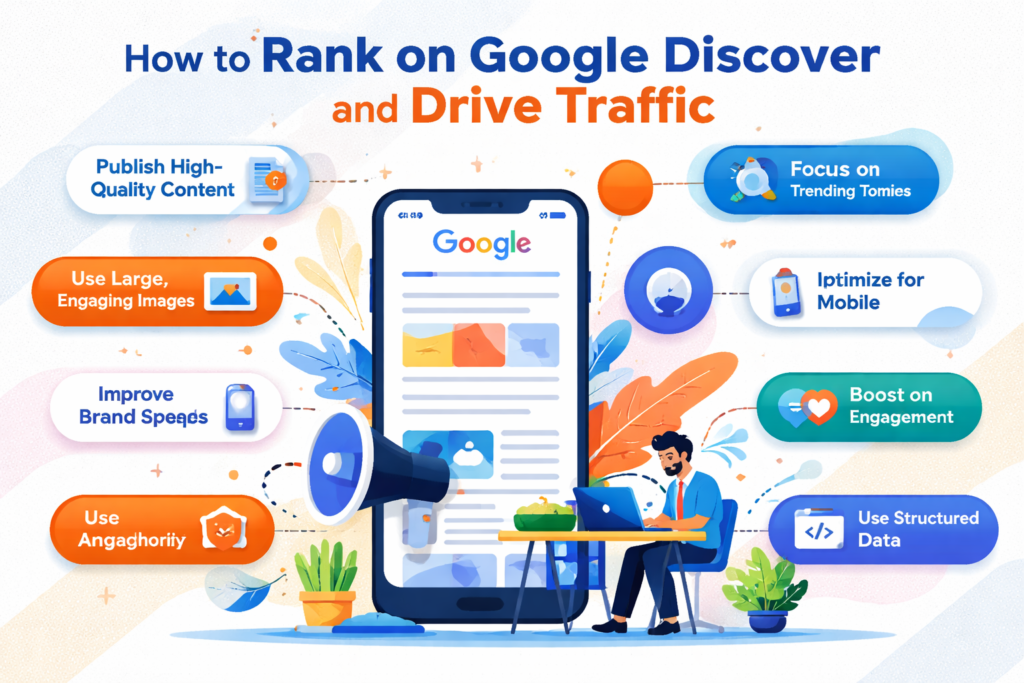

In the ever-evolving landscape of digital marketing, Google Discover has emerged as a powerful traffic-driving platform that goes beyond traditional search. Unlike conventional search results where users actively type queries, Google Discover delivers personalized content directly to users based on their interests, browsing behavior, and engagement patterns. This makes it a goldmine for publishers, bloggers, and businesses looking to increase visibility and drive organic traffic without relying solely on keywords.
Understanding how Google Discover works is the first step toward leveraging its potential. It uses machine learning algorithms to curate content for users, showcasing articles, videos, and news that align with their preferences. This means your content doesn’t need to rank for specific keywords to gain visibility—it simply needs to be engaging, relevant, and aligned with user interests.
To truly succeed, businesses often rely on expert strategies like those offered by SEO Services Delhi or a trusted SEO Agency India to optimize their content for Discover and maximize traffic potential.
What is Google Discover?
Google Discover is a personalized content feed available on mobile devices and the Google app. It showcases articles, blog posts, and multimedia content tailored to individual user preferences. Instead of searching, users scroll through a feed of content curated specifically for them.
The key difference between Google Discover and traditional search lies in intent. In search, users express intent through queries. In Discover, Google predicts user intent and presents content proactively. This shift requires a completely different approach to content creation and optimization.
Why Google Discover Matters for Traffic Growth
Google Discover can generate massive spikes in traffic, often surpassing traditional SEO channels. Websites that get featured in Discover can experience thousands—or even millions—of impressions in a short period.
Here’s why it matters:
- No keyword dependency: Content can rank without targeting specific search queries
- High visibility: Appears directly on users’ mobile screens
- Increased engagement: Personalized content leads to higher click-through rates
- Brand awareness: Repeated exposure builds authority and trust
For content creators and businesses, this represents a unique opportunity to reach audiences at scale.
How Google Discover Algorithm Works
Google Discover relies heavily on machine learning and user behavior signals. It considers factors such as:
- User search history
- Location and language preferences
- App activity and engagement
- Topics users follow
Instead of ranking pages based on backlinks or keyword density alone, Discover evaluates how well content aligns with user interests.
Key Ranking Factors for Google Discover
To rank on Google Discover, you need to focus on several critical factors:
-
High-Quality Content
Content quality is the backbone of Discover success. Your content must be:
- Informative and valuable
- Well-structured and easy to read
- Free from grammatical errors
- Unique and original
Avoid thin or duplicate content, as it rarely performs well.
-
Engaging Headlines
Your headline is the first thing users see. It must be:
- Compelling and curiosity-driven
- Clear and descriptive
- Not clickbait
For example, instead of “SEO Tips,” use “10 Proven SEO Strategies to Boost Traffic in 2026.”
-
High-Quality Images
Visual appeal plays a huge role in Discover. Use:
- High-resolution images (minimum 1200px width)
- Relevant visuals that match content
- Proper image tags and alt text
Google often prioritizes content with large, attractive images.
-
Mobile Optimization
Since Discover is primarily mobile-based, your website must be:
- Fully responsive
- Fast-loading
- User-friendly
A poor mobile experience can drastically reduce your chances of appearing in Discover.
-
E-E-A-T (Experience, Expertise, Authoritativeness, Trustworthiness)
Google values content that demonstrates credibility. To improve E-E-A-T:
- Include author bios
- Add references and sources
- Build backlinks from authoritative sites
- Maintain a consistent publishing schedule
Content Strategies to Rank on Google Discover
Creating the right type of content is crucial. Here are proven strategies:
-
Focus on Trending Topics
Google Discover favors fresh and trending content. Stay updated with:
- Industry news
- Viral topics
- Seasonal trends
Use tools like Google Trends to identify trending topics in your niche.
-
Evergreen Content Still Works
While trending content is important, evergreen content can also perform well if it remains relevant over time.
Examples include:
- How-to guides
- Tutorials
- Industry insights
-
Publish Consistently
Consistency signals reliability. Regular publishing increases your chances of being picked up by Discover.
Aim for:
- Weekly or bi-weekly posts
- Consistent content themes
- Updated older content
-
Use Structured Data
Structured data helps Google understand your content better. Implement schema mark-up for:
- Articles
- Blogs
- FAQs
This enhances visibility and improves indexing.
Importance of User Engagement
User engagement metrics play a significant role in Discover rankings.
Focus on:
- Click-through rate (CTR)
- Time on page
- Bounce rate
To improve engagement:
- Use clear formatting
- Add bullet points
- Include visuals
- Write compelling introductions
Optimize for Google Discover Feed
To optimize your content for the Discover feed:
- Enable large image previews
- Avoid misleading headlines
- Ensure content is indexed
- Follow Google content policies
Additionally, ensure your site complies with Google News guidelines, even if you’re not a news publisher.
Role of Technical SEO
Technical SEO ensures your site is Discover-friendly.
Key elements include:
- Fast loading speed
- Secure HTTPS connection
- Clean URL structure
- Mobile-first indexing
A technically sound website improves your chances of appearing in Discover.
Leveraging Social Signals
Although not a direct ranking factor, social signals can influence Discover visibility.
When your content is widely shared:
- It gains traction
- It signals popularity
- It attracts more users
Promote your content on platforms like:
Common Mistakes to Avoid
Avoid these pitfalls when targeting Google Discover:
- Using clickbait headlines
- Publishing low-quality content
- Ignoring mobile optimization
- Overusing ads
- Not updating old content
These mistakes can reduce your visibility or even prevent your content from appearing in Discover.
Measuring Performance in Google Discover
Use Google Search Console to track Discover performance.
Key metrics include:
- Impressions
- Clicks
- CTR
Analyze which content performs best and replicate successful strategies.
Future of Google Discover
Google Discover is expected to grow further with advancements in AI and personalization.
Future trends may include:
- More video content
- Increased personalization
- Better integration with AI assistants
Staying ahead of these trends will give you a competitive edge.
Advanced Tips to Dominate Google Discover
If you want to go beyond basics, consider these advanced strategies:
-
Build Topical Authority
Focus on a niche and create multiple pieces of content around it. This helps Google recognize your expertise.
-
Improve Content Freshness
Regularly update old posts with:
- New data
- Updated statistics
- Improved visuals
-
Use Catchy Visual Thumbnails
Your featured image should stand out in the feed. Use:
- Bright colors
- Clear subjects
- Minimal text overlay
-
Optimize for User Intent
Understand what your audience wants and deliver exactly that. Align your content with user interests rather than just keywords.
-
Leverage Internal Linking
Internal links help distribute authority across your site and improve user navigation.
Real-World Examples of Discover Success
Many websites have experienced exponential growth through Google Discover. Blogs, news portals, and niche websites have all benefited from this platform.
For example:
- Tech blogs gain traffic from trending gadget news
- Health websites attract readers through informative articles
- Lifestyle blogs succeed with engaging storytelling
Final Thoughts
Ranking on Google Discover requires a shift in mindset from traditional SEO to user-centric content creation. It’s not just about keywords—it’s about understanding your audience, delivering value, and creating engaging experiences.
By focusing on high-quality content, mobile optimization, user engagement, and trending topics, you can unlock the full potential of Google Discover and drive significant traffic to your website.
If you’re looking to accelerate your growth and implement proven strategies, partnering with a professional team like ACSIUS can help you achieve consistent visibility and long-term success in the competitive digital landscape.
FAQs
How can my website appear on Google Discover?
To appear on Google Discover, you need to publish high-quality, engaging, and relevant content. Focus on strong visuals, trending topics, mobile optimization, and user engagement signals like CTR and time on page.
Does Google Discover require SEO?
Yes, but it’s different from traditional SEO. Instead of focusing only on keywords, Discover prioritizes content quality, user intent, freshness, and engagement. A strong SEO foundation still helps improve visibility.
How long does it take to get traffic from Google Discover?
There’s no fixed timeline. Some content may appear within hours, while others may take weeks. Consistent publishing and high-quality content increase your chances of being featured.
What type of content performs best on Google Discover?
Content that performs well includes:
- Trending news and updates
- Evergreen guides
- How-to articles
- Engaging lifestyle content
- Industry insights
Visual-rich and emotionally engaging content tends to perform better.
Are images important for Google Discover rankings?
Yes, high-quality images are crucial. Use large images (at least 1200px wide), relevant visuals, and ensure they are optimized for mobile devices to improve click-through rates.
Can old content rank on Google Discover?
Yes, but it must be updated and relevant. Refreshing old content with new information, updated visuals, and current data can improve its chances of appearing in Discover.
How do I track Google Discover performance?
You can track performance using Google Search Console. It provides data on impressions, clicks, and CTR specifically for Discover traffic.
Does website speed affect Google Discover rankings?
Absolutely. Fast-loading, mobile-friendly websites provide a better user experience, which is a key factor for Discover visibility.
Is Google Discover only for mobile users?
Google Discover is primarily designed for mobile devices, including the Google app and mobile browsers. Optimizing your website for mobile is essential.
Can small websites rank on Google Discover?
Yes, even small or new websites can appear on Discover if they publish high-quality, engaging, and relevant content consistently.
How often should I publish content for Google Discover?
Consistency is key. Publishing regularly—whether weekly or bi-weekly—helps build authority and increases your chances of being featured.
Do backlinks matter for Google Discover?
Backlinks are not a direct ranking factor for Discover, but they help build authority and trust, which indirectly improves your chances.
What are common mistakes to avoid?
Avoid:
- Clickbait headlines
- Low-quality or duplicate content
- Poor mobile experience
- Excessive ads
- Ignoring content updates
Can social media help with Google Discover traffic?
Yes, social media can boost visibility and engagement. When your content gains traction on social platforms, it signals popularity and may increase Discover exposure.
These FAQs will help you better understand how Google Discover works and how to optimize your content strategy for maximum traffic and visibility.