In a city where space is a premium commodity, homeowners are increasingly turning to integrated solutions like design and build London to transform compact urban homes into functional, stylish, and future-ready living environments. Small spaces require more than aesthetic design—they demand technical precision, intelligent engineering, and creative problem-solving. This is where the design-and-build model excels, offering strategic solutions tailored to London’s unique architectural constraints and lifestyle needs.
From Victorian terraces to modern apartments, London properties benefit enormously from a unified approach where design concepts, construction planning, and execution work in synergy. In this article, we explore innovative design and build ideas that are reshaping small urban living across London, backed by the expertise and industry leadership of London Design and Build.
The Challenges of Small-Space Living in London
Urban homes in London come with distinct spatial challenges—narrow layouts, awkward corners, limited natural light, heritage constraints, and strict planning regulations. Homeowners often struggle to maximize functionality without compromising aesthetics.
Smart design and build solutions address these issues holistically. Instead of treating space limitations as obstacles, integrated teams use them as creative opportunities to redesign flow, improve storage, enhance lighting, and establish a greater sense of openness.
1. Open-Plan Living for Expanded Space Perception
One of the most effective strategies for upgrading small homes is transitioning from compartmentalized rooms to an open-plan design. Removing unnecessary internal walls can:
- Increase natural light distribution
- Improve airflow
- Create multifunctional living zones
- Make narrow or compact spaces feel significantly larger
Design and build teams evaluate load-bearing structures and building regulations early in the process, ensuring that structural changes are safe, compliant, and architecturally sound.
Popular open-plan conversions include:
- Merging kitchen and living spaces
- Creating open kitchen–dining areas
- Expanding hallways into living zones
This structural openness forms the foundation for modern, space-efficient living.
2. Vertical Integration: Making Use of Height
In London’s compact homes, floor space is limited—but vertical potential is often underutilized. Smart design and build solutions capitalize on height by incorporating:
- Floor-to-ceiling shelving
- Elevated storage units
- Lofted sleeping platforms
- Hanging cabinets and high-mounted rails
- Vertical lighting accents
- Double-height ceiling enhancements for top-floor flats
This approach frees up valuable floor area while adding architectural interest. It also aligns well with minimalist design trends that favour clean lines and unobtrusive built-in storage.
3. Bespoke Joinery for Intelligent Storage
Pre-made furniture rarely fits the dimensions of London’s smaller homes. Bespoke joinery, crafted specifically for the property, transforms unused corners into practical storage.
Custom joinery solutions include:
- Built-in wardrobes tailored to irregular shapes
- Staircase storage drawers
- Window-seat benches with compartments
- Alcove shelving
- Integrated media units
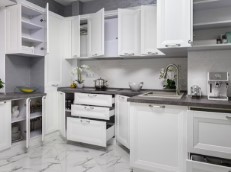
- Custom kitchen cabinetry for narrow galley kitchens
Design and build companies ensure that these elements integrate seamlessly with structural requirements, plumbing, and electrical planning.
4. Multi-Functional Rooms for Modern Urban Living
With hybrid work becoming the norm, small homes must accommodate multiple purposes without crowding. Smart multi-functional design makes this possible.
Examples Include:
- Fold-down desks integrated into walls or cabinetry
- Murphy beds that convert bedrooms into workout or office spaces
- Extendable dining tables that adapt to daily usage
- Sliding partition walls that hide or reveal rooms as needed
These flexible solutions support dynamic lifestyles while maintaining uncluttered aesthetics.
5. Maximising Natural Light With Strategic Design
Light plays a crucial role in making small spaces feel open and inviting. Modern design and build teams incorporate light-enhancing strategies such as:
- Enlarged windows (where permitted)
- Skylights and rooflights
- Frameless internal glass partitions
- Light-reflective materials and finishes
- Recessed lighting to reduce visual clutter
- Mirror placements to amplify brightness
These upgrades not only improve visual spaciousness but also boost energy efficiency.
6. Smart Extensions for Added Functionality
Even in small London homes, strategic extensions can open up substantial new possibilities. Popular options include:
- Rear extensions for expanded kitchens
- Side-return extensions to widen narrow Victorian homes
- Loft conversions for bedrooms, offices, or studios
- Basement conversions for guest rooms or entertainment spaces
Design and build companies provide end-to-end support—from planning permissions to structural engineering—ensuring that extensions maximize space without compromising structural integrity.
7. Minimalist Design for Clean, Efficient Interiors
Minimalism is more than a visual trend—it’s a functional necessity for small space design. Clean, uncluttered interiors help maintain order and expand perceived space.
Key minimalist strategies include:
- Neutral colour palettes
- Integrated appliances
- Sleek cabinetry
- Floating shelves
- Concealed storage systems
- Simple, unobtrusive furniture forms
This style emphasizes calmness and simplicity, fostering a peaceful home environment even in compact settings.
How London Design and Build Elevates Small-Space Living
London Design and Build stands out as an authority in transforming compact homes with a research-driven, technically precise, and design-forward methodology.
Core strengths include:
1. End-to-End Integration
By combining design, engineering, and construction, they eliminate communication gaps and deliver harmonious outcomes.
2. Deep Knowledge of London Regulations
Small-space projects often involve structural changes requiring planning approval. Their expertise ensures full compliance from day one.
3. Innovative Design Technologies
Tools like 3D modelling, BIM, and VR walkthroughs allow homeowners to visualise small-space upgrades with exceptional clarity.
4. Sustainable Urban Solutions
Energy-efficient lighting, low-carbon materials, and eco-conscious design are incorporated into every project.
5. Tailored Joinery and Custom Builds
Every small space demands unique solutions, and their bespoke joinery capabilities ensure maximum functionality.
6. Commitment to Detail and Craftsmanship
Precision installation and high-quality materials are fundamental to their transformative results.
Final Thoughts
Small urban spaces in London can be transformed dramatically through intelligent design, strategic planning, and high-quality construction. The design and build London approach maximises every inch while ensuring beauty, comfort, and long-term value.
With its integrated expertise and future-focused strategies, London Design and Build continues to set the standard for small-space innovation—offering homeowners smarter ways to live stylishly and efficiently in one of the world’s most space-restricted cities.