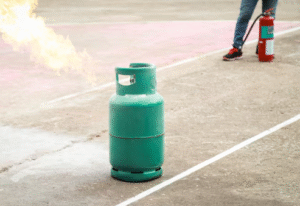
Propane is a widely used fuel around the world, commonly stored and transported in portable gas bottles. From cooking and heating to powering industrial equipment, propane gas bottles serve millions of homes, businesses, and outdoor enthusiasts. As sustainability becomes a global focus, more people are asking an important question: What is the environmental impact of using a propane gas bottle?
This article explores that impact in depth—examining benefits, concerns, emissions, and the overall ecological footprint—while helping consumers make more informed and eco-friendly decisions.
Understanding Propane Gas and Its Source
Propane is a byproduct of processing natural gas and refining crude oil. As a hydrocarbon (C₃H₈), it belongs to the liquefied petroleum gas (LPG) family. It is stored in a pressurized propane gas bottle in liquid form, making it energy-dense, portable, and convenient for various uses.
Although propane comes from non-renewable fossil fuels, it burns more cleanly than many other combustion-based energy sources. This dual nature—both beneficial and problematic for the environment—makes it a topic worth examining.
1. Propane as a Cleaner-Burning Fossil Fuel
When evaluating the environmental impact of a propane gas bottle, one of the most significant considerations is that propane is cleaner-burning than many alternatives.
Lower Carbon Emissions
Compared to gasoline, diesel, wood, and coal, propane releases significantly less carbon dioxide (CO₂) per unit of energy produced. For example:
-
Propane emits fewer greenhouse gases than coal and heating oil.
-
It produces minimal sulfur dioxide, which contributes to acid rain.
-
It creates less soot and particulate matter, improving air quality.
These characteristics make the propane gas bottle a preferred option for households or industries seeking a lower-emission fuel without switching to fully renewable alternatives.
Reduced Toxicity
Propane is non-toxic, non-corrosive, and poses no threat to soil or groundwater in case of a spill. This is unlike gasoline or diesel, which can introduce harmful chemicals into the environment.
From an emissions standpoint, propane bottles contribute less to air pollution than many conventional fuels.
2. Environmental Benefits of Using a Propane Gas Bottle
Energy Efficiency
Propane is known for high combustion efficiency. Appliances powered by propane—such as heaters, stoves, water heaters, and grills—tend to consume less energy compared to those using electricity generated from fossil-fuel power plants. This efficiency results in lower overall emissions and reduced energy waste.
Lower Greenhouse Gas Contribution Compared to Other Fuels
While not perfect, a propane gas bottle emits:
-
Approximately 50% less CO₂ than coal
-
Up to 30% less CO₂ than heating oil
-
Less methane (a highly potent greenhouse gas) than natural gas leaks
Methane leakage is a major contributor to climate change, and because propane does not contain methane, its environmental impact in this regard is notably different.
Cleaner Indoor and Outdoor Air Quality
Propane burns without producing smoke or ash. Outdoor propane-powered grills, patio heaters, and camping stoves contribute far less to air pollution than wood or charcoal. Indoors, propane heating systems maintain cleaner air with fewer harmful pollutants.
3. Environmental Concerns and Challenges
Although a propane gas bottle offers several environmental benefits compared to other fossil fuels, it still has downsides that cannot be overlooked.
Propane Is Still a Fossil Fuel
Propane’s source is the biggest environmental drawback. Since propane is extracted during oil refining and natural gas processing, it is inherently tied to industries that contribute to carbon emissions, ecological disturbances, habitat destruction, and other environmental challenges.
Carbon Dioxide Emissions
While propane emits fewer pollutants, it still releases CO₂—one of the leading greenhouse gases responsible for climate change. Using propane gas bottles, therefore, still contributes to global warming, although at lower levels compared to dirtier fuels.
Production and Transportation Impact
Environmental impacts of propane production include:
-
Energy consumption during extraction
-
Emissions from processing facilities
-
Transportation emissions from distributing propane gas bottles
Even though the fuel itself burns cleanly, these upstream processes contribute to its total carbon footprint.
Improper Disposal Concerns
A major environmental issue with a propane gas bottle occurs at end-of-life:
-
Many users discard empty bottles improperly.
-
Under pressure, these discarded containers can be hazardous.
-
Metal waste from discarded bottles accumulates in landfills.
-
Some improperly disposed bottles may release residual gas.
Recycling and proper disposal methods significantly reduce this impact, but awareness is still lacking in many regions.
4. Propane Gas Bottle vs. Other Fuel Options
Evaluating environmental impact requires comparing a propane gas bottle with alternative energy sources.
Propane vs. Natural Gas
-
Propane is more energy-dense.
-
Natural gas infrastructure often leaks methane.
-
Propane has no methane content, making its emissions profile different.
In terms of greenhouse gas potential, a propane gas bottle may actually present a lower environmental risk than poorly managed natural gas systems.
Propane vs. Electricity
This comparison depends heavily on how electricity is produced.
If a region uses:
-
Coal-based electricity → propane is much cleaner.
-
Natural-gas-based electricity → propane is comparable or slightly lower in emissions.
-
Renewable energy → electricity is the more environmentally friendly choice.
Thus, the sustainability of a propane gas bottle depends partly on alternative energy availability.
Propane vs. Charcoal or Wood
For cooking and heating:
-
Charcoal emits more carbon monoxide and particulates.
-
Wood can produce smoke with dangerous pollutants.
-
Propane burns cleaner, creating fewer emissions and less soot.
So, in the context of grilling, camping, and outdoor heating, a propane gas bottle is often the greener option.
5. Role of Propane in Reducing Deforestation and Biomass Use
In many regions, people rely on wood for cooking or heating. Excessive wood burning contributes to:
-
Deforestation
-
Indoor air pollution
-
Carbon emissions
-
Habitat loss
Propane gas bottles provide an alternative that helps reduce pressure on forests and improves air quality, especially in rural or off-grid communities.
6. How Using a Propane Gas Bottle Supports Sustainability Goals
Sustainability is not only about using renewable energy; it also involves reducing harm in the present while transitioning into greener alternatives.
A propane gas bottle supports key sustainability factors:
Portability Reduces Infrastructure Needs
Propane does not require pipelines. This prevents land disruption, habitat fragmentation, and methane leakage associated with gas pipelines.
Reliability Reduces Waste
Propane appliances tend to last longer and operate efficiently, reducing:
-
Fuel waste
-
Maintenance waste
-
Resource consumption
Reusability of Bottles
Many propane gas bottles are refillable, extending their lifespan and reducing waste.
7. Best Practices to Reduce the Environmental Impact
Users of propane gas bottles can take steps to further reduce ecological impact.
Choose Refillable Bottles
Refillable containers drastically cut down on metal waste and energy used in manufacturing new bottles.
Recycle Properly
Empty propane gas bottles should be taken to:
-
Recycling centers
-
Hazardous waste facilities
-
Authorized refill stations
Never dispose of them in regular trash.
Check for Leaks
A leaking propane gas bottle wastes fuel and increases emissions from production and replacement.
Use Energy-Efficient Appliances
Modern propane-powered appliances often achieve higher efficiency, reducing total fuel consumption.
Store and Transport Safely
Proper handling prevents damage that could lead to leaks or hazardous waste.
8. Is Propane a Sustainable Long-Term Solution?
Propane is best described as a “transitional fuel.” While not renewable, it is cleaner and more efficient than many conventional fossil fuels. It provides a practical energy solution as the world shifts toward more sustainable sources.
Emerging Renewable Propane
One promising development is renewable propane, made from:
-
Biomass
-
Vegetable oils
-
Waste fats
Renewable propane has:
-
Significantly lower carbon emissions
-
A more sustainable production process
-
Full compatibility with existing propane gas bottle systems
As renewable propane becomes more available, environmental impacts may decrease further.
Conclusion
The environmental impact of using a propane gas bottle is a balance of advantages and concerns. On the positive side, propane is a cleaner-burning, efficient, and relatively low-emission fuel compared to other fossil fuels like coal, oil, wood, and charcoal. It supports cleaner air, reduces particulate pollution, and offers a sustainable alternative for communities relying on biomass.
However, propane still originates from non-renewable fossil fuels and contributes to carbon emissions. Its production, transportation, and improper disposal of gas bottles can negatively affect the environment. Despite these drawbacks, propane remains one of the more eco-friendly fossil fuel options available today.
With proper handling, recycling, and use of refillable bottles, consumers can significantly reduce the environmental footprint of propane. As renewable propane becomes more accessible, the future of propane gas bottles may become even greener.
Ultimately, while not a perfect solution, a propane gas bottle presents a cleaner, efficient, and practical energy choice—especially when used responsibly and with environmental awareness.