Why People Keep Adding Water Features Indoors
Let’s be real for a second. When you think of water features and indoor fountains, you probably imagine something fancy — a luxury hotel lobby, a spa, or a modern office atrium. But lately, more homeowners are adding them indoors, and it’s not just for show. There’s something about the sound of running water that feels grounding. It makes a house feel alive, not just lived in.
The truth is, people crave calm these days. Between the noise of traffic, constant notifications, and daily grind, that soft trickle of water feels like a small escape. But before you go ordering a big fountain online, you should know: it’s not as simple as plug-and-play. There’s some thought and setup that goes into it — and it’s worth getting right from the start.
The Real Work Behind Installing Inner Cradles
Alright, let’s talk practical. Installing water features and inner cradles is n’t commodity you just sect on a Sunday autumn. Especially if you’re going for commodity larger than a tabletop interpretation. You’ve got to plan out where it’ll go, how you’ll power it, and whether your bottom can indeed handle the weight.
A root that looks amazing in a exchange might not fit your space at all. Some of these setups hold a surprising quantum of water — and water weighs further than people think.However, that matters, If it’s going on a timber bottom. Same goes for power access and drainage. You do n’t want cords stretching across the room or billabongs forming where they should n’t. suppose ahead, or it’ll turn into a bigger design than anticipated.

Do They Really Add Value to Your Home?
Now, this is where people start paying attention. Does having an inner root actually make your home worth more? In utmost cases — yeah, it can. perhaps not in a bones and- cents way right down, but surely in perceived value. It makes your home look finished. Considered. Calming.
Buyers notice details that make a place feel elevated. And let’s be honest, not numerous homes have a water point outside. That makes yours stand out. A good installation tells a story this homeowner pays attention to design, comfort, and detail. But then’s the kick it only works if it’s done right. A cheap resin root splashing water each over your bottoms will turn people off briskly than you can say “ oops. ” Quality is everything.
Choosing the Right Water point for Your Space
Picking the right setup is half the battle. You’ve got choices — wall- mounted cradles, freestanding columns, tabletop coliseums, or indeed erected- in wall falls. The trick is chancing one that fits your space naturally. You do n’t want it to look forced.
Small apartment? Go for commodity simple and quiet. Big open- plan home? You can go bolder. Just flash back — every root has its own sound profile. Some are soft and slightly there, others are louder, nearly like a small creek. hear before you buy, if you can.
The wrong sound in the wrong room can drive you frenetic after a week. Material also matters. Stone feels earthy, dateless. Glass looks ultramodern, clean. Essence has that artificial vibe. Resin is featherlight, but it can look plasticky if you go too cheap. Pick commodity that matches your style and how important trouble you’re willing to put into keep.
Conservation — The Part nothing Likes to Talk About
Then’s the thing no bone tells you when you buy one cradles need love. Not a ton, but enough. Pumps get congested, water evaporates, and algae will sneak in if you’re not paying attention. That’s just reality. still, you’ll be dissatisfied presto, If you treat it like a set- and- forget decoration. The short answer? Give it a quick check every week. Top off the water, make sure the pump’s humming right. also, once a month, do a deep clean.
Empty it, wipe it down, wash the pump, refill. That’s it. Small trouble, big lucre. And please, use distilled or filtered water if you can. Tap water’s full of minerals that’ll crust up the pump briskly than you suppose. Clean water keeps it quiet, clean, and lasting longer.
Energy and Water Use — The Honest figures
Everyone wants to know the same thing how important does it bring to run? Unexpectedly, not much. utmost water features and inner cradles use recirculating systems — so the water stays in play. You just eclipse it up every now and also as it evaporates.
Electricity use is minimum too. utmost pumps run under 10 watts, some indeed less. Add in LED lights, and you’re still talking fund change on your yearly bill. It’s not like running an air conditioner. So yeah, as far as home upgrades go, they’re enough low- impact on your portmanteau once they’re set up.
Air Quality and Comfort — The retired gratuities
There’s a cool side effect inner cradles actually help the air around you. That little bit of humidity they release can balance dry air — especially in homes with aircon or heating systems that dry everything out. It’s not a humidifier, but it’s a subtle boost.
Some people indeed say their shops do more around water features. Makes sense — the air feels fresher, and the sound drowns out background noise. You do n’t notice it right down, but after a while, you’ll catch yourself relaxing further, breathing easier. It’s like a quiet memorial to decelerate down.
Blending Water Features Into Your Home Design
You ever see a fountain that looks completely out of place? Like someone just dropped it there and hoped for the best? Yeah, don’t be that person. Integration’s the trick. Think lighting, textures, and sight lines. Your fountain should feel like it belongs — not like a random add-on.
If your house has a natural vibe — wood, stone, soft tones — go for materials that match. If it’s modern, maybe glass or brushed steel fits better. Even placement matters. You want it where people can see and hear it, but not where it dominates the whole room.
And don’t forget lighting. A soft glow can turn it from nice to wow. A badly lit fountain just disappears into the background.
DIY or Hire a Pro? Be Honest With Yourself
Let’s be blunt. If you’re handy and dealing with a small fountain, go for it. DIY it. You’ll save money and feel good about it. But if you’re thinking about something larger — especially wall-mounted or built-in — call a pro. No shame in that.
Professionals know how to wire it safely, balance the flow, and make sure it doesn’t leak or overload your floor. A small mistake can turn into a soggy nightmare. So be honest with yourself: are you up for it, or would it stress you out? Sometimes paying for peace of mind is worth every cent.
Troubleshooting the Annoying Stuff
Even the best setups need attention now and then. Maybe the pump starts rattling, or the water smells off, or it’s splashing more than it should. Happens to everyone.
A rattling pump usually means air bubbles or gunk stuck inside. Turn it off, clean it out, refill it. A weird smell? You probably waited too long to clean. Empty it, scrub it, rinse, refill. Splashing too much? Adjust the flow, move a rock, or add a water conditioner. These are all easy fixes — nothing to stress about. The trick is noticing early before it becomes a mess.
Outdoor Fountains — Taking the Idea Outside
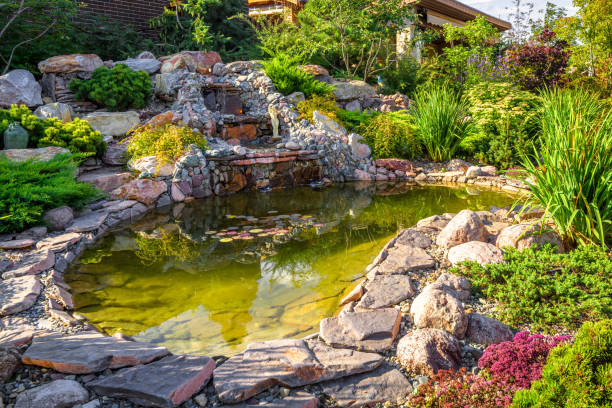
Funny thing is, once people fall in love with their indoor setup, they start eyeing the backyard. It’s a natural move. The sound of water outdoors hits different — relaxing, open, airy.
Outdoor water features need tougher materials though. Stone, concrete, maybe stainless steel. They face weather, dirt, and critters. The design rules are similar: balance, flow, light, placement. You just have to think bigger.
And if you can tie your indoor and outdoor spaces together — maybe a matching look or similar sound — it feels seamless. Like the house is breathing in and out.
The Real Payoff — Why It’s All Worth It
At the end of the day, it’s not about money or trends. It’s about how it makes you feel. The sound, the movement, the calm. It’s small, sure, but it shifts the energy in your home. Makes the place feel more alive, more welcoming.
You might start out thinking it’s just a design choice, but you’ll end up sitting near it every day. Reading, working, thinking. It becomes part of your routine. That’s the real return on investment — peace, focus, calm.
And yeah, it makes your home look damn good too. Hard to argue with that.
Final Thoughts — Should You Go for It?
Short answer: yes, if you’re ready for it. Water features and indoor fountains aren’t complicated, but they do need a bit of care and thought. Pick quality over gimmicks, plan your space, and be realistic about maintenance.
Done right, it’ll be one of those features that quietly elevates your home for years. It’s not just a piece of decor. It’s a mood, a statement, a small luxury that pays you back in calm.
So if you’re on the fence — take the plunge. Start small, see how it feels, then go bigger later. Either way, you’ll be glad you did. And when you’re ready to make it happen, visit Fountains to start your journey.