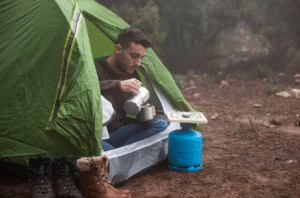
Camping trips offer a refreshing escape from daily routines, giving travelers a chance to reconnect with nature, cook outdoors, and enjoy peaceful landscapes. A propane gas bottle is one of the most essential items for campers who rely on portable stoves, grills, heaters, and lanterns. However, traveling with a propane bottle requires planning, safety awareness, and practical knowledge to ensure both convenience and protection. This guide provides detailed travel tips for safely carrying a propane gas bottle on camping trips, helping you enjoy your outdoor adventure without stress.
Why Carry a Propane Gas Bottle on Camping Trips?
A propane gas bottle is extremely useful when camping because it powers multiple devices. From cooking meals to heating water and providing warmth on cold nights, propane is a reliable fuel option. It burns efficiently, is widely available, and works well even in colder temperatures where other fuel types may fail. For campers who need consistent performance during outdoor stays, propane becomes a dependable companion.
Yet, because propane is pressurized and flammable, it must be transported with care. Understanding how to carry, store, and use a propane gas bottle can prevent safety hazards and make your camping trip smoother.
Choose the Right Size of Propane Gas Bottle
The first step in planning your camping trip is selecting the right size of propane bottle. Camping propane bottles generally fall into two categories:
1. Small Portable Bottles (1lb or similar sizes)
These lightweight bottles are easy to pack and ideal for short trips. They fit most portable camping stoves and lanterns. Their compact size makes them perfect for hikers and travelers with limited space.
2. Medium to Large Bottles (5lb to 20lb)
These are suitable for longer camping trips, family outings, or when you need more fuel for grills, heaters, or multiple appliances. Although they offer longer usage, they require more planning during transport because of their size and weight.
Choosing the right size ensures you don’t carry unnecessary weight or run out of gas in the middle of your trip.
Inspect the Propane Bottle Before Traveling
Before taking a propane bottle on your camping adventure, check it carefully for safety. A well-maintained bottle reduces risks and ensures proper functioning.
Here are key points to inspect:
-
Check the valve: Make sure it moves smoothly without sticking.
-
Look for dents or rust: Damaged bottles may not seal properly.
-
Listen for leaks: A hissing sound may indicate escaping gas.
-
Smell for gas: Propane has a strong odor, making leaks easier to detect.
-
Ensure the cap or plug is secure: This prevents gas from escaping during travel.
Do not travel with a bottle that appears damaged. Replace it with a newer, safer option.
Transporting a Propane Gas Bottle Safely
Proper transportation is critical when carrying a propane gas bottle. Whether you’re traveling by car, RV, or off-road vehicle, the way you store the bottle matters. Follow these important tips:
Keep the Bottle Upright
A propane bottle must always remain upright during travel. This prevents liquid propane from reaching the valve, reducing the risk of leaks. Use a crate, holder, or tie-down straps to keep it secure.
Ensure Proper Ventilation
Do not transport propane bottles in enclosed spaces without ventilation. Avoid keeping them inside car trunks or tightly sealed compartments where gas could accumulate if a leak occurs. The best place is a ventilated area such as a truck bed, trailer, or designated outdoor storage compartment.
Secure the Bottle
A loose propane bottle can roll, tip, or hit hard surfaces, which can damage the valve or tank. Use bungee cords, straps, or tank brackets to keep it firmly in place.
Avoid Extreme Heat
Propane bottles should not be left in direct sunlight for long periods. High temperatures can increase internal pressure, potentially causing the safety relief valve to open. Whenever possible, store bottles in shaded or cool spaces.
Keep Away From Sparks
Avoid placing the propane bottle near tools, batteries, or equipment that may produce sparks. Even small sparks can create hazards near gas containers.
Safe Storage at the Campsite
Once you reach your camping location, it’s important to store the propane bottle properly for continued safety.
Place on a Flat, Stable Surface
Prevent bottles from tipping by choosing a level surface. Stability is essential for safety and convenience.
Store Away From Tents and Fire Pits
Keep propane containers several feet away from tents, campfires, and cooking flames. Even though propane bottles are designed with safety features, it’s best to reduce exposure to direct heat.
Keep Valve Closed When Not in Use
Whenever your stove or heater is not connected, close the valve tightly. This helps prevent accidental gas flow or leaks.
Protect From Rain
While propane bottles can withstand outdoor conditions, extended exposure to moisture may cause rust. Use a cover or store them in a dry area when possible.
Using Propane Safely During Camping
Using propane-powered equipment at the campsite requires attention and caution. Follow these operating tips:
Read Equipment Instructions
Every stove, grill, or heater comes with manufacturer guidelines. Always read and follow these instructions to ensure correct setup and safe operation.
Check for Leaks Before Lighting
Mix a little soap and water, apply it around the connection points, and look for bubbles. If bubbles appear, there is a leak.
Keep a Safe Distance
Operate propane devices away from tents, trees, and gear to prevent fires. Never use propane appliances inside enclosed tents due to the risk of carbon monoxide accumulation.
Turn Off After Use
Once you finish cooking or heating, turn the appliance and the propane valve off. Proper shutdown prevents gas waste and keeps the campsite safe.
Plan Your Fuel Usage
Running out of gas while camping can be frustrating. Estimate how much propane you’ll need based on:
-
Duration of your trip
-
Type of appliances
-
Number of people in your group
-
Weather conditions (Cold weather may require extra fuel)
Carrying a little extra propane ensures you’re prepared for unexpected needs.
Environmental Considerations
Responsible camping also means protecting the environment. Never leave empty propane bottles behind. Portable 1lb bottles should be recycled or disposed of according to local guidelines. Some areas offer recycling programs specifically for camping fuel canisters.
For larger bottles, return them to refill centers or service shops. By managing waste properly, you help keep camping spaces clean and eco-friendly.
Conclusion
Traveling with a propane gas bottle is incredibly convenient for camping trips, especially when cooking, heating, or using outdoor appliances. However, safe transportation and proper handling are essential. By choosing the right bottle size, inspecting it beforehand, securing it during travel, and storing it safely at your campsite, you can enjoy a smooth and worry-free camping experience. With the right preparation and awareness, your propane bottle becomes an asset that enhances comfort, efficiency, and safety throughout your outdoor adventure.