Hair thinning and reduced hair volume are common concerns affecting both men and women. Hair Fillers Treatment in Abu Dhabi have emerged as a safe and proven non-surgical option for improving hair density, strengthening existing strands, and promoting overall scalp health. This article explores the treatment process, benefits, and what to expect for those considering hair fillers.
What Are Hair Fillers
Hair fillers are injectable treatments designed to nourish the scalp and hair follicles. They typically contain a combination of nutrients, peptides, and hyaluronic acid, which work together to stimulate hair growth, improve circulation, and enhance hair quality.
Unlike surgical hair restoration procedures, hair fillers do not involve transplanting hair. Instead, they focus on revitalizing existing follicles, making them healthier and more capable of producing thicker, stronger hair.
Why Hair Fillers Are Considered Safe and Proven
Hair filler treatments are widely regarded as safe because they are non-surgical, minimally invasive, and performed with fine needles under professional supervision. Sessions are usually quick, and most individuals experience only minor discomfort during the procedure.
Because hair fillers nourish follicles rather than performing drastic interventions, they are suitable for people experiencing early to moderate hair thinning. They are also a practical option for individuals seeking a low-downtime solution that gradually improves hair health and density.
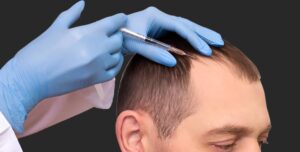
How Hair Filler Treatments Work
During a hair filler session, the scalp is cleaned, and a numbing cream may be applied to ensure comfort. The filler solution is then injected into targeted areas where hair is thinning or losing volume.
The filler nourishes the follicles, improves blood circulation in the scalp, and provides essential nutrients that support stronger hair growth. Over time, hair gradually becomes thicker, healthier, and fuller as the follicles respond to improved scalp conditions.
Who Can Benefit from Hair Fillers
Hair filler treatments are most effective for individuals with early to moderate hair thinning or reduced hair density. They are ideal for men and women seeking a non-surgical alternative to hair transplants, as well as those wishing to maintain and improve the quality of their existing hair.
People whose hair loss is due to stress, hormonal changes, or lifestyle factors may also benefit from hair fillers, provided that their follicles are still active and capable of growth.
What to Expect During Treatment
A typical hair filler session takes approximately 20 to 30 minutes, depending on the size of the area being treated. Multiple sessions may be recommended for optimal results.
After treatment, mild redness, swelling, or tenderness on the scalp may occur, but these effects usually subside within a day or two. Noticeable improvements, such as increased thickness, fuller hair strands, and healthier scalp condition, often appear gradually over several weeks to months.
Advantages of Hair Fillers
Hair fillers provide several advantages compared with more invasive options:
-
Non-surgical and minimally invasive
-
Short treatment sessions with minimal downtime
-
Gradual, natural-looking improvement in hair density and quality
-
Nourishment and stimulation for existing hair follicles
Because hair fillers do not involve surgery, they avoid scarring, prolonged recovery, and higher costs associated with traditional hair restoration procedures.
Limitations of Hair Fillers
While hair fillers are effective for improving hair density and strengthening follicles, they are not a permanent solution for severe or advanced hair loss. Individuals with extensively damaged or absent follicles may require other interventions for significant restoration.
Hair fillers are considered a maintenance-based treatment, meaning that follow-up sessions may be needed to sustain optimal results over time.
Preparing for Hair Filler Treatment
Prior to treatment, a consultation with a specialist helps determine whether hair fillers are suitable for your hair and scalp condition.
It is recommended to avoid harsh chemical treatments, such as hair dyes or keratin treatments, for a few days before the procedure. Maintaining a clean and healthy scalp can improve the effectiveness of the treatment.
Maintenance and Longevity
The effects of hair fillers can last for several months, depending on scalp care and hair maintenance. Periodic follow-up sessions may be recommended to sustain results. Supporting healthy hair practices, such as gentle cleansing and avoiding harsh chemicals, can enhance the longevity of treatment outcomes.
Setting Realistic Expectations
Hair fillers are most effective for early-to-moderate hair thinning and may not fully restore severely thinning or bald areas. Patience and commitment to a treatment plan are essential, as results develop gradually over time.
Consulting a qualified specialist ensures that the treatment is tailored to your specific needs, hair condition, and desired outcomes.
Frequently Asked Questions
What are hair fillers?
Hair fillers are injectable treatments that nourish the scalp, strengthen hair follicles, and improve hair density using a combination of nutrients, peptides, and hyaluronic acid.
Who is a good candidate for hair filler treatment?
Individuals with early to moderate hair thinning, brittle hair, or reduced hair density are ideal candidates. Both men and women can benefit.
Is the treatment painful?
A numbing cream is applied before injections, and most people experience only mild discomfort.
How soon can I see results?
Results typically appear gradually over several weeks to months as hair becomes thicker, healthier, and fuller.
How long does a session take, and how many sessions are needed?
A single session usually takes 20 to 30 minutes. Multiple sessions may be recommended to achieve optimal results.
Are the results permanent?
Hair fillers provide gradual improvement and are considered a maintenance-based treatment. Follow-up sessions may be needed to maintain the results.