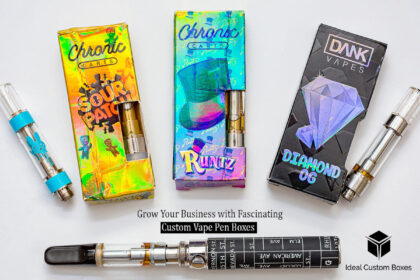
Packaging is more than a box or bag. It defines how your product reaches your customer, communicates your brand, and complies with regulatory standards. Choosing the right materials and practices directly affects costs, sustainability, and consumer perception. Every business, from boutique shops to supermarkets, faces increasing demands to adopt eco-friendly, functional, and affordable packaging. By focusing on sustainable practices and customized solutions, companies can achieve both cost savings and long-term benefits.
Understanding Regulatory Standards and Compliance
Businesses today must comply with regulations regarding single-use plastics, waste reduction, and sustainable practices. Officials monitor adherence to ensure that companies adopt eco-conscious measures. Compliance is not just about avoiding fines; it directly impacts consumer trust and brand reputation.
-
Using recyclable and biodegradable materials reduces landfill contributions.
-
Certified partners provide assurance that all packaging solutions meet legal standards.
-
Training employees on sustainable practices ensures consistent compliance across all operations.
Example: Many retailers have adopted compostable bags and reusable pouches, cutting waste while staying compliant. This not only saves money in the long run but also strengthens customer loyalty.
Aligning Packaging with Customer Preferences
Modern consumers are increasingly environmentally conscious. Their preferences often influence purchase decisions. Businesses that ignore this trend risk losing market appeal.
-
Offering reusable, durable bags enhances convenience and encourages reuse.
-
Customizable packaging allows you to display your logo, color, and brand ethos.
-
Flexible packaging options for groceries, cosmetics, and merchandise meet a wide range of consumer needs.
Case Study: A boutique offering personalized packaging with zippered pouches saw repeat purchases increase by 30%. Customers appreciated custom-designed solutions that added value to their shopping experience.
Choosing Sustainable Materials and Practices
Selecting the right materials ensures durability, cost efficiency, and environmental responsibility. Businesses can choose from paper, non-woven, polyethylene film, corrugate, or biodegradable polymers.
-
Lightweight materials reduce shipping costs.
-
Water-based inks, soy-based tape, and plastic-free alternatives minimize environmental impact.
-
Reusable and recyclable packaging supports a circular economy and reduces carbon footprints.
Expert Tip: Switching a small business from traditional plastic bags to non-woven, reusable options cut spending by 25% while enhancing brand image. Sustainable choices provide long-term cost savings and meet regulatory requirements.
Balancing Cost and Long-Term Benefits
Affordable packaging doesn’t mean sacrificing quality. It involves finding materials and solutions that offer durability, functionality, and cost efficiency.
-
Bulk ordering of custom sizes reduces production costs.
-
Moderately priced, eco-friendly materials help achieve sustainability goals without overspending.
-
Reusable or long-lasting bags increase cost-effectiveness over time.
Example: Supermarkets investing in reusable pouches save money over repeated single-use bag purchases. Customers also perceive added value, improving brand loyalty.
Customization for Branding and Marketing
Customized packaging serves multiple purposes: protecting products, enhancing aesthetic appeal, and strengthening brand identity.
-
Zippered pouches, bubble cushions, and padded mailers ensure safety while boosting visual appeal.
-
Custom-designed boxes with logo and brand colors elevate market appeal.
-
Packaging can act as a promotional tool for corporate gifts, giveaways, or events.
Personal Insight: I’ve worked with clients who improved customer engagement significantly by offering beautiful, functional packaging that reflected their brand ethos. Customers often shared their experiences on social media, giving free advertising for the business.
Efficient Production and Delivery
Meeting production timelines and ensuring efficient delivery is crucial for businesses with high volume packaging needs.
-
Flexible production accommodates specialized runs and quick turnaround.
-
Collaborating with trusted suppliers guarantees quality, safety, and compliance.
-
Tailored services for e-commerce, retail, and bulk orders reduce errors and streamline operations.
Example: A cosmetics company partnered with a certified packaging supplier to manage custom production runs efficiently. They received fast, reliable delivery while maintaining consistent quality.
Innovations in Eco-Friendly Packaging
Innovations in flexible packaging, polyethylene extrusion, and custom production allow businesses to combine sustainability with cost savings.
-
Using biodegradable polymers or plastic-free alternatives reduces environmental footprint.
-
Reusable bags, zippered pouches, and custom-designed packaging enhance consumer experience.
-
Circular economy initiatives encourage recycling, reuse, and responsible sourcing.
Case Study: A retail chain introduced compostable, paper-based pouches for groceries, reducing landfill contributions while attracting eco-conscious shoppers. Sales increased as the brand aligned with consumer values.
Enhancing Customer Experience through Packaging
Packaging is part of the product experience. A well-designed package builds trust, enhances market appeal, and increases repeat purchases.
-
Personalized, functional packaging encourages re-use and strengthens brand loyalty.
-
Visually appealing designs improve market recognition and reinforce product identity.
-
Packaging doubles as a marketing platform, supporting advertising campaigns and promotional events.
Insight: A boutique shop using custom paper bags and reusable pouches noted that customers returned more often, demonstrating that thoughtful packaging adds real business value.
Strategic Partnerships and Supplier Trustworthiness
Partnering with certified suppliers ensures businesses maintain legal compliance and product safety. Reliable manufacturers and packers deliver efficient service and tailored solutions.
-
Certified partners provide samples and reviews for quality assurance.
-
Strategic cooperation reduces waste, ensures regulatory compliance, and improves customer satisfaction.
-
Reliable packaging technology allows for custom production runs and quick turnaround without compromising quality.
Example: A cosmetics company benefited from tailored solutions, receiving custom sizes, types of bags, and efficient delivery. Customers were impressed by durability, aesthetic appeal, and personalized branding.
Practical Strategies for All Businesses
Implementing affordable packaging requires careful planning:
-
Evaluate materials for durability, reusability, and cost.
-
Incorporate eco-friendly practices to meet regulatory compliance.
-
Customize packaging for branding, marketing, and consumer satisfaction.
-
Partner with trusted suppliers to ensure quality, certification, and efficient delivery.
-
Monitor consumer preferences to adjust product packaging strategies.
By following these strategies, businesses of all sizes can create packaging solutions that are affordable, sustainable, and effective, while improving market appeal and brand recognition.