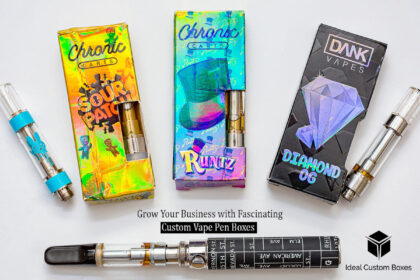
Packaging is central to modern business operations. It protects your products, improves shipping efficiency, and directly influences customer satisfaction. Beyond functionality, packaging serves as a branding tool, a marketing asset, and a mechanism to meet regulatory demands. Businesses adopting sustainable and eco-friendly practices not only reduce waste but also realize long-term cost savings while aligning with consumer preferences.
Optimizing packaging affects shipping, storage, delivery speed, and overall efficiency. Businesses that leverage smart packaging can better control spending, enhance brand recognition, and contribute positively to the environment.
Understanding Customer Preferences and Regulatory Demands
Modern consumers are increasingly environmentally conscious. They expect companies to comply with regulations while providing eco-friendly, durable, and reusable options. Government officials enforce laws limiting single-use plastics, making it essential for businesses to integrate sustainable practices into their operations.
Customer-focused strategies include:
-
Offering reusable bags, pouches, and zippered options for groceries, cosmetics, and food.
-
Using biodegradable, compostable, or recyclable materials that reduce landfill contributions.
-
Ensuring materials are certified, providing quality, safety, and legal compliance assurance.
By addressing customer preferences, businesses can increase loyalty while demonstrating social responsibility. For instance, supermarkets offering customizable, reusable bags often see a rise in repeat purchases, as shoppers value eco-conscious choices.
Implementing Sustainable Packaging Practices
Sustainable practices reduce waste and costs while enhancing a company’s reputation. Retailers, boutiques, and corporate outlets are implementing strategies to improve durability, reusability, and eco-friendliness in packaging.
Effective steps include:
-
Utilizing non-woven, paper, tissue, or corrugate materials for retail and shipping needs.
-
Protecting fragile items with bubble, inflatable air pillows, or padded mailers to minimize damage.
-
Engaging employees in recycling initiatives and compostable practices to support circular economy principles.
Benefits of sustainable packaging:
-
Lower long-term spending by reducing single-use plastics.
-
Enhanced brand ethos and customer trust through eco-conscious initiatives.
-
Minimized carbon footprints and environmental impact.
By adopting sustainable practices, companies can achieve measurable results, such as waste reduction, cost savings, and enhanced consumer loyalty.
Eco-Friendly Packaging Options
Businesses have multiple packaging options to meet eco-conscious consumer demands. Choosing materials based on durability, weight, and reusability ensures long-term benefits for both the company and the planet.
Popular options include:
-
Reusable bags, zippered pouches, and custom-designed containers for food, groceries, and cosmetics.
-
Paper, tissue, and corrugate boxes printed with water-based or soy-based inks.
-
Biodegradable, compostable polymers, and plastic-free alternatives for shipping perishable items.
Benefits for businesses:
-
Reduction in operational spending on single-use plastics.
-
Improved brand recognition and market appeal.
-
Support for environmentally conscious initiatives that attract loyal shoppers.
Case study example: A retail chain switched to reusable zippered bags for online grocery deliveries, reducing plastic waste by over 25,000 units per year, while also improving customer satisfaction through eco-friendly packaging.
Customization and Brand Recognition
Customized packaging enhances product identity, market appeal, and consumer engagement. Businesses can use logos, colors, zipper options, and custom sizes to make packaging visually appealing and personalized.
Applications include:
-
Boutiques offering custom-designed gift wraps and bags for corporate giveaways.
-
E-commerce brands using flexible, zippered, durable bags to improve shipping efficiency and consumer convenience.
-
Supermarkets providing reusable, branded bags that reinforce brand ethos while promoting sustainability.
Marketing benefits:
-
Increased brand recognition through visual appeal and product differentiation.
-
Higher consumer loyalty and repeat purchases.
-
Enhanced promotional reach through giveaways and custom merchandise.
Personal experience: In my work with retail clients, customized eco-friendly packaging consistently outperforms traditional options in customer retention, highlighting the importance of visual and functional innovation.
Balancing Durability and Cost
Businesses must balance durability, price, and sustainability. Choosing moderately priced, recyclable, or compostable materials ensures long-term cost savings without compromising product protection.
Strategies include:
-
Selecting rigid packaging for heavy or fragile items and flexible packaging for lightweight products.
-
Using polyethylene film, plastic products, or tissue paper depending on shipping requirements.
-
Comparing custom production costs with traditional packaging for bulk orders.
Benefits:
-
Reduced product damage and returns.
-
Lower long-term spending through reusable and durable materials.
-
Improved customer satisfaction due to enhanced product protection.
Businesses that evaluate cost versus durability are better equipped to invest in sustainable, functional packaging that supports both operational efficiency and brand appeal.
Optimizing Supply Chains and Packaging Runs
Efficient packaging is crucial for supply chain optimization. Proper packaging solutions can reduce delivery time, improve storage efficiency, and enhance overall operational workflow.
Actions include:
-
Partnering with certified suppliers and reliable partners for specialized production and tailored services.
-
Managing bulk orders, flexible production runs, and custom sizes for retailers and e-commerce outlets.
-
Leveraging packaging technology to track production timelines and ensure efficient delivery.
Results:
-
Improved speed and reliability of delivery services.
-
Minimized waste and overproduction through optimized production runs.
-
Greater customer satisfaction with consistently high-quality packaging.
Enhancing Consumer Experience
Packaging significantly impacts consumer perception. Visually appealing, personalized, and functional packaging can elevate the product experience, encouraging repeat purchases and reinforcing brand identity.
Practical tips:
-
Offer custom-designed bags, pouches, and wrapping that highlight the brand ethos.
-
Use eco-conscious materials to attract environmentally aware shoppers.
-
Ensure packaging is durable, convenient, and suitable for reuse, enhancing value perception.
Benefits:
-
Boosted brand loyalty and customer engagement.
-
Enhanced market appeal through unique, aesthetic packaging.
-
Strengthened corporate reputation through sustainable practices.
Tracking Results and Long-Term Goals
Measuring packaging effectiveness is essential for achieving long-term business objectives. Businesses can assess success through case studies, reviews, and quantitative metrics.
Key tracking metrics:
-
Reduction in waste and landfill contributions.
-
Cost efficiency in materials and shipping.
-
Increased customer loyalty and brand recognition.
Tracking results ensures that future packaging strategies align with sustainability goals, business efficiency, and consumer satisfaction.
Leveraging Innovation for Market Edge
Innovation in packaging can differentiate a brand in competitive markets. Integrating custom production, specialized services, and advanced materials ensures unique product identity and market appeal.
Practical innovation approaches:
-
Using polyethylene extrusion, flexible packaging, and specialized production runs for efficiency.
-
Offering tailored packaging options, including custom sizes, colors, and zipper features.
-
Investing in branding, personalization, and visual enhancement to strengthen product identity.
Innovative packaging not only protects products but also delivers marketing advantages, supports sustainability, and improves long-term business outcomes.