Let’s be real. Homemade sourdough bread isn’t easy the first time. You’ll mess up. The starter might die. The dough might stick to everything in sight. But that’s the charm of it. Baking sourdough is less about following strict rules and more about feeling your way through the process. You start to understand the dough, the temperature, even the sound of the crust when it hits the oven heat. It’s a learning curve, but once you pull that first loaf out—crispy, golden, smelling like heaven—you get it. The addiction starts. You’ll never want store-bought again.
Why Sourdough Feels More “Real” Than Regular Bread
There’s something ancient about it. Sourdough isn’t made with commercial yeast—it’s alive. It grows and changes with your kitchen environment. Your wild yeast culture becomes personal, almost like a pet. Each batch has its own flavor, smell, and texture. Store-bought bread feels cold compared to that. Real sourdough hits different—tangy, chewy, rustic. When you make it at home, you taste patience. You taste craft. You taste the weird satisfaction that comes from flour, water, and time. No fake additives, no preservatives. Just real bread, the old way.
Getting the Starter Right: The Heart of Every Loaf
The starter is your engine. Your magic jar of bubbling life. Some people overthink it, watching it like a hawk. Others just feed it and forget. Both work, if you stay consistent. All you need is flour and water, and a little faith. Keep it fed, and it’ll reward you with rise and flavor that can’t be bought. It’s wild yeast, doing what nature intended. Sure, it can take a week to really wake up, but that’s part of the deal. You learn patience fast in sourdough land. And once you have a healthy starter, you’ve got endless loaves ahead of you.

The Tools That Actually Matter When You’re Baking Bread
You don’t need a thousand gadgets. But a few key tools make life easier. A good digital scale—non-negotiable. Guessing measurements ruins bread. A proofing basket or banneton helps shape your dough, giving it that signature swirl and rise. A sharp lame or razor for scoring. A Dutch oven to trap steam and make that golden crust. And if you’re serious about baking, a bench scraper saves you from sticky messes. These tools aren’t luxury—they’re survival gear for bakers. And you can find them online easily, if you know where to buy baking supplies that aren’t cheap junk.
Flour: The Unsung Hero of Every Great Loaf
Not all flour is created equal. If you want that chewy, open crumb that sourdough is famous for, don’t just grab any bag off the shelf. High-protein bread flour gives structure. Whole wheat adds flavor and color. Rye brings soul. Mixing flours changes everything—the texture, the rise, even the taste. Buy good flour from trusted sources. It’s worth it. When you find a flour that works for your starter and your style, stick with it. Consistency is the quiet secret behind great homemade sourdough bread.
Understanding Fermentation: The Waiting Game
Fermentation is where the magic happens. The dough rests, bubbles, and comes alive. Don’t rush it. Sourdough needs time—sometimes hours, sometimes overnight. The longer it ferments, the more flavor you get. That tangy, deep taste you love? That’s time working for you. Warm kitchens move fast; cool kitchens slow it down. You’ll learn to read your dough like a mood ring—soft, pillowy, a little jiggly. That’s when it’s ready. If you want a hobby that teaches patience, this is it.
Shaping and Proofing: The Art Before the Bake
This part is where beginners panic. Dough is sticky, stretchy, unpredictable. But once you’ve done it a few times, it’s muscle memory. You shape it tight, tuck the edges under, and let it rest in your proofing basket. The proofing stage defines your crumb structure, so don’t skip or rush it. Some bakers proof at room temp, others cold proof overnight in the fridge. Both ways work. What matters is how your dough looks and feels before it hits the oven. It should hold shape, spring slightly back, and smell faintly sweet.

The Bake: Heat, Steam, and a Little Bit of Courage
This is where the magic turns real. You’ve shaped, proofed, waited. Now it’s time. Preheat your oven like you mean it—hot and steady. That’s how you get that crusty exterior and soft inside. Steam matters too—it gives your loaf the oven spring that makes it look like something out of a bakery window. A Dutch oven traps that moisture perfectly. And yeah, the first time you score your dough, it’s terrifying. You think you’ll ruin it. But don’t worry—cut deep, be bold. Bread forgives bravery.
Where to Buy Baking Supplies That Don’t Let You Down
There’s a lot of junk out there. Cheap proofing baskets that mold fast. Scales that break after a month. Flour that clumps before it hits the bowl. Don’t fall for shiny packaging—go for trusted baking stores online. Look for shops that know bread. Ones that sell tools used by real bakers, not just influencers. Read reviews. Ask other bakers. It’s worth paying a few bucks more for gear that lasts. Because when your tools work right, you bake better. Simple as that.
The Connection Between Sourdough and Mindfulness
It’s weird how baking bread slows you down. In a good way. You can’t rush sourdough—it won’t let you. It teaches patience, rhythm, and respect for process. When you’re folding dough, feeding starter, or waiting for it to rise, you’re present. Fully there. No screens, no noise. Just you and the dough. And that’s rare these days. The best part? That small mindfulness seeps into the rest of your life. You start appreciating simple things again—warm smells, quiet mornings, the feel of good bread in your hands.
Common Mistakes Every Sourdough Baker Makes
Too much water. Too little kneading. Forgetting to preheat. Under-proofing. Over-proofing. Burning the bottom. Yeah, it happens. Everyone has ugly loaves at first. The key is to keep going. Every mistake teaches you something. You learn how dough behaves, how timing changes, how weather affects fermentation. Don’t compare your bread to perfect Instagram loaves. Most of those are edited anyway. What matters is that it tastes good and that you’re improving. Keep your starter fed, your tools clean, and your expectations real. The rest comes naturally.
The Sourdough Community: Sharing, Learning, and Laughing Together
Baking bread might look like a solo thing, but it’s not. There’s a massive community out there—online forums, local groups, social media pages—where bakers share everything. Recipes, fails, triumphs. You can ask questions, swap tips, or just show off your crust. It’s a weirdly supportive space. Everyone remembers their first gummy loaf. Everyone’s been there. And that makes it one of the nicest corners of the internet. Real people, real bread, real talk. No pretense. Just passion for the craft.
Conclusion: Baking Real Bread, The Right Way
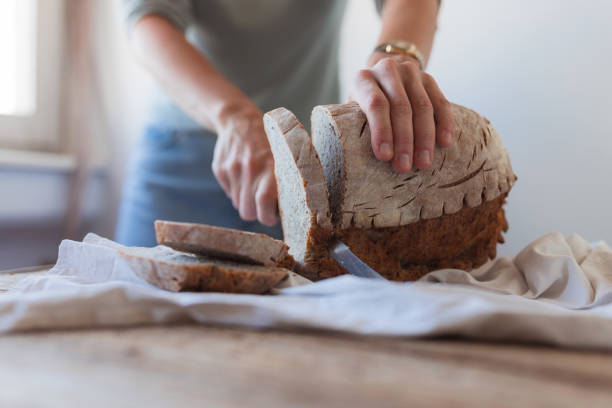
At the end of the day, homemade sourdough bread isn’t about perfection. It’s about feeling the process. Getting your hands messy. Smelling that first loaf crackle as it cools. And using tools and ingredients that help you, not fight you. If you’re wondering where to buy baking supplies that can handle your growing obsession—look for the places bakers trust. Visit Abioto Baking to start your journey with gear that’s built for people who love the real, slow, honest art of bread.
FAQs About Homemade Sourdough Bread and Baking Supplies
Q: How long does it take to make homemade sourdough bread?
A: Typically 12–24 hours, depending on your starter and fermentation time. The waiting is the hardest part—but it’s worth it.
Q: Can I use all-purpose flour for sourdough bread?
A: Yes, but it’s better to mix it with bread flour for better structure and rise. All-purpose alone makes a softer, less chewy loaf.
Q: Why does my sourdough not rise properly?
A: Check your starter—it might be weak. Also, watch the temperature. Cold dough slows fermentation. Warm up your kitchen or proof longer.
Q: Where can I buy good baking supplies online?
A: Look for trusted baking brands and stores like Abioto Baking, where quality tools are made with real bakers in mind.
Q: Is sourdough bread healthier than regular bread?
A: In most cases, yes. It’s easier to digest, has a lower glycemic index, and contains natural probiotics from fermentation.